Blog
This section provides an overview of theHaving traveled across fifty countries, I have witnessed many grand celebrations, yet nothing compares to the sheer scale and spiritual intensity of Durga Puja in Kolkata. Every autumn, this vibrant metropolis transforms into the beating heart of West Bengal as tens of millions of visitors—both locals and travelers from across the globe—gather to celebrate the most important festival of the year. In 2021, Kolkata’s Durga Puja was officially inscribed on the UNESCO Intangible Cultural Heritage list, recognizing not just a religious event, but a living masterpiece of public art, community spirit, and centuries-old tradition.
blog, showcasing a variety of articles, insights, and resources to inform and inspire readers.
The Sacred Story: Goddess Durga and Her Four Children
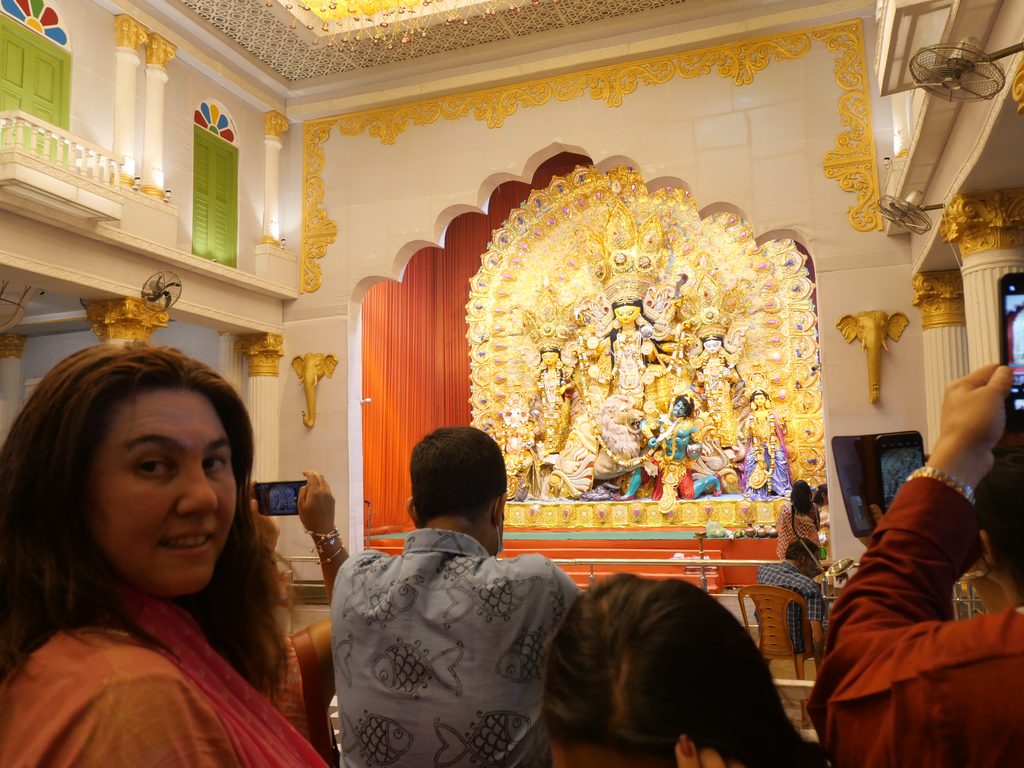
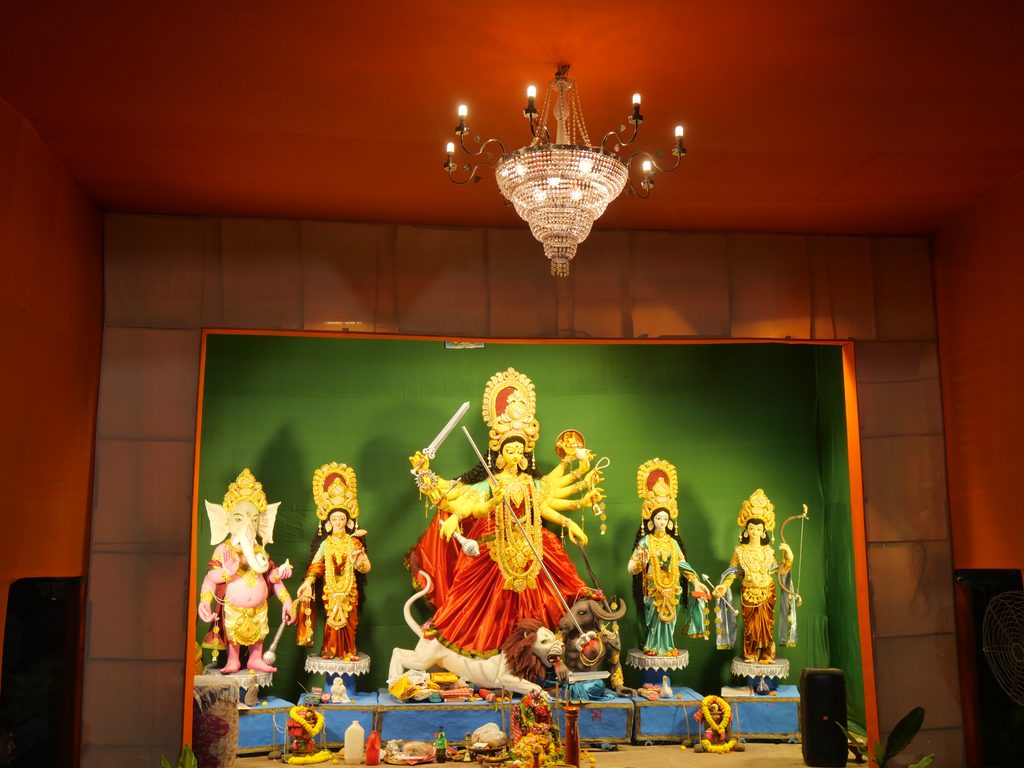
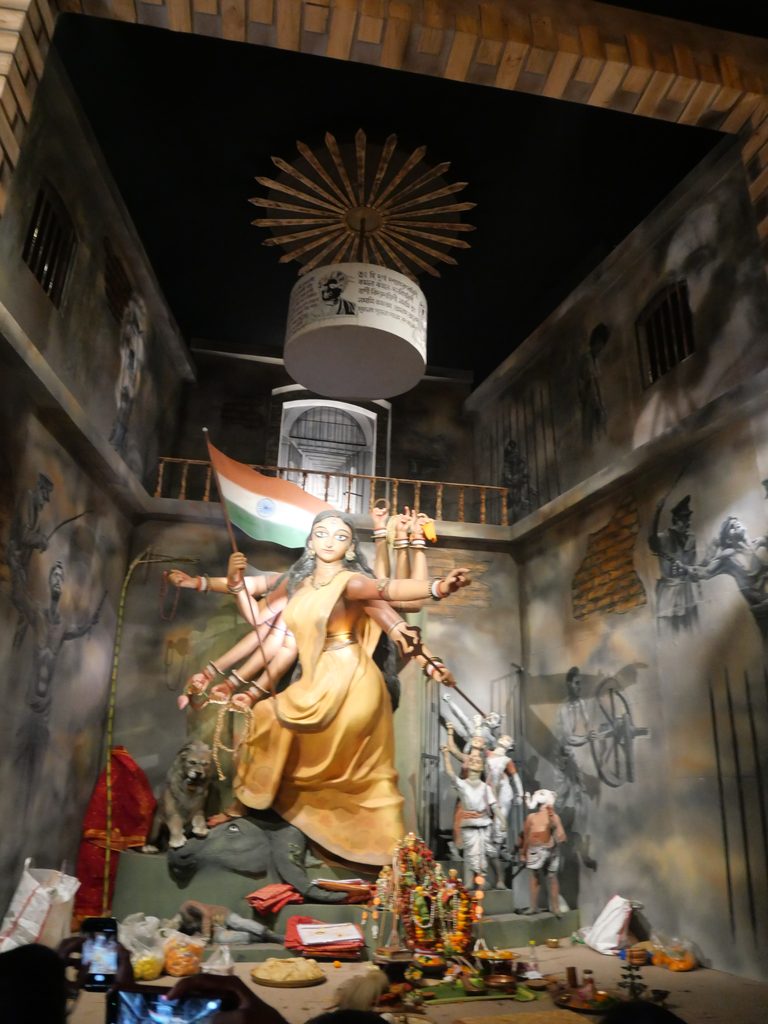
At the spiritual core of the festival is Goddess Durga—the ten-armed warrior goddess symbolizing feminine strength, courage, and the ultimate victory of good over evil, light over darkness. According to Hindu tradition, Durga descends from her heavenly abode in the Himalayas to visit her earthly home during these sacred days, bringing peace and protection to humanity.
What always touches my heart when I stand inside the temples is seeing that Durga never arrives alone. She is accompanied by her four children—Lakshmi (goddess of wealth and prosperity), Saraswati (goddess of wisdom, music, and arts), Ganesha (the remover of obstacles), and Kartikeya (symbol of strength and valor). As a mother of four children myself, looking at this divine family standing together feels deeply moving—a powerful reminder of maternal devotion, harmony, and the strength a mother carries to protect her family and guide them through the world.
More Than 3,000 Pandals: An Open-Air Museum Built From Scratch
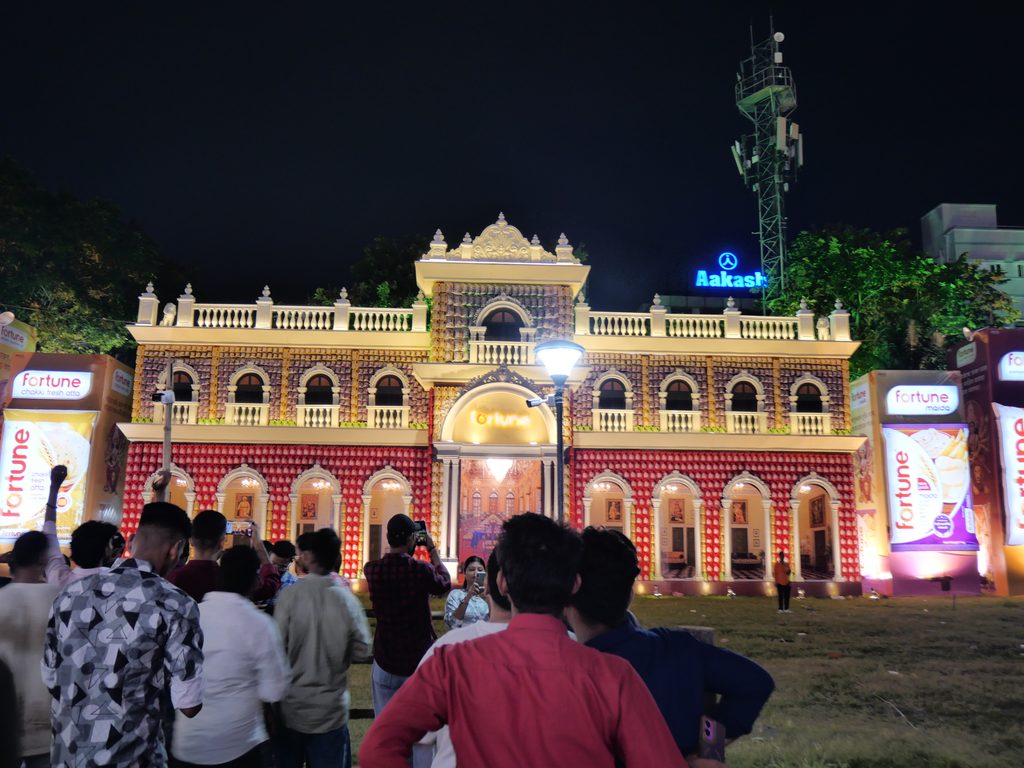
To welcome the goddess, communities across Kolkata spend months constructing more than 3,000 pandals—elaborate, temporary temples built right in the streets and neighborhood squares. Crafted from bamboo, fabric, clay, wood, and thousands of shimmering lights, every single pandal has its own unique artistic theme, ranging from ancient royal palaces to modern social messages.
Walking from pandal to pandal feels like stepping into a boundless open-air art gallery where every detail is handmade—and knowing that these breathtaking structures will be dismantled and the clay idols immersed in the river once the festival ends makes every moment feel even more precious.
The Nighttime Magic: Endless Queues and Millions of People
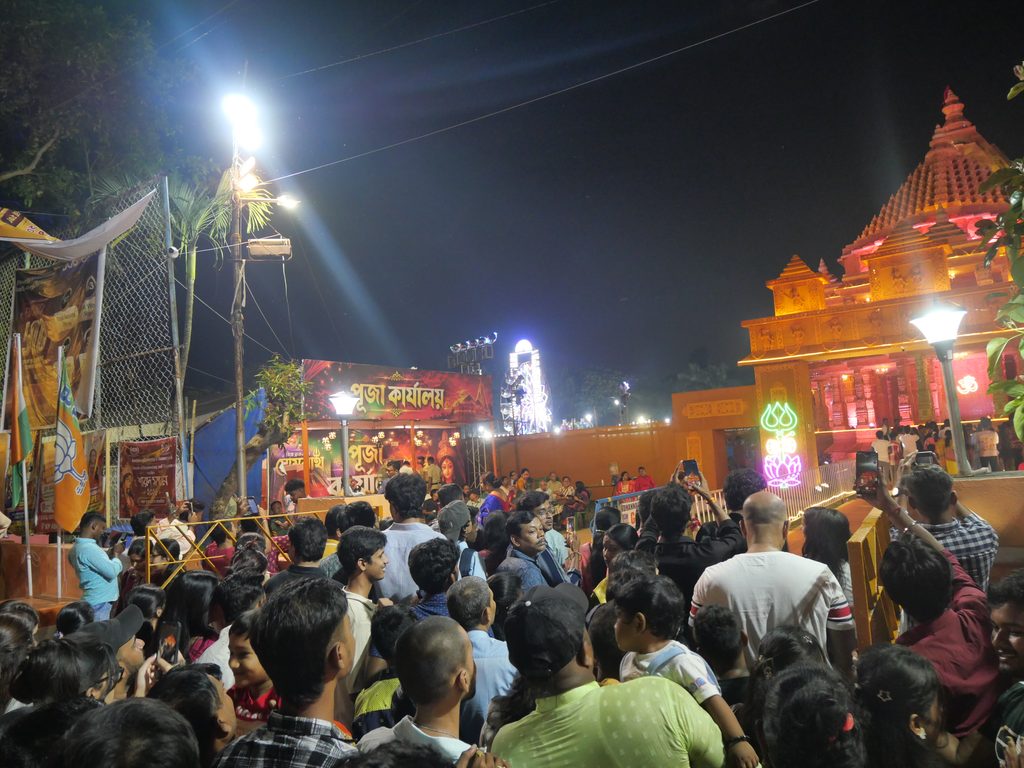
While the mornings carry a calm, devotional rhythm with traditional dhak drums and incense, Kolkata truly comes alive after sunset. As soon as night falls, the city glows under millions of fairy lights, and enormous crowds pour into the streets—families dressed in their finest new clothes, groups of friends, and visitors eager to experience the magic.
At the most famous pandals, I watched long, winding queues stretching down the streets for hours, filled with patient, smiling people waiting just for a few minutes inside to admire the artistry and offer their prayers. Despite the staggering number of people—often estimated at over 30 to 40 million festivalgoers moving through the city over the celebration days—the atmosphere remains remarkably warm, joyful, and welcoming. Being carried along in that sea of light, devotion, and shared celebration is an experience that stays with you forever.
Coming in My Upcoming India Books (2027)
These unforgettable nights in Kolkata—the towering pandals, the sacred story of Durga and her four children, and the incredible energy of millions celebrating together—will be an important part of my upcoming books about India, arriving in 2027.
Thank you for following my journey across fifty countries. You can always explore more travel stories and follow updates on my book series right here on Traveling with Anni.
-
A Scenic Road Trip From Nørresundby to Thy: Langelund Church, Thorup Beach & Giant Wind Turbines at Østerild
Blog You don’t always need to board an international flight to experience unforgettable landscapes, fascinating…
-
Welcoming the Gods From the Sea: Sacred Rituals, Fire-Walking, and Spirit Trance at Cheng Chui Chor Soo Kong Shrine in Krabi
Blog Having traveled across fifty countries and grown up between Thailand and Denmark, I carry…
-
Inside Kolkata’s UNESCO Durga Puja: Millions of Visitors, Nighttime Crowds, and the Sacred Story of Goddess Durga
Blog This section provides an overview of theHaving traveled across fifty countries, I have witnessed…

Leave a Reply